Cup tasting means tasting and comparing coffees. In a Cup Tasters exercise, you taste three cups: two contain the same coffee, and one contains a different coffee. Your task is to find the different cup.
This format is called a triangle test, and it is used in the World Cup Tasters Championship. For someone trying it for the first time, it gives you one clear question to answer during each tasting.
How Does Cup Tasting Work?
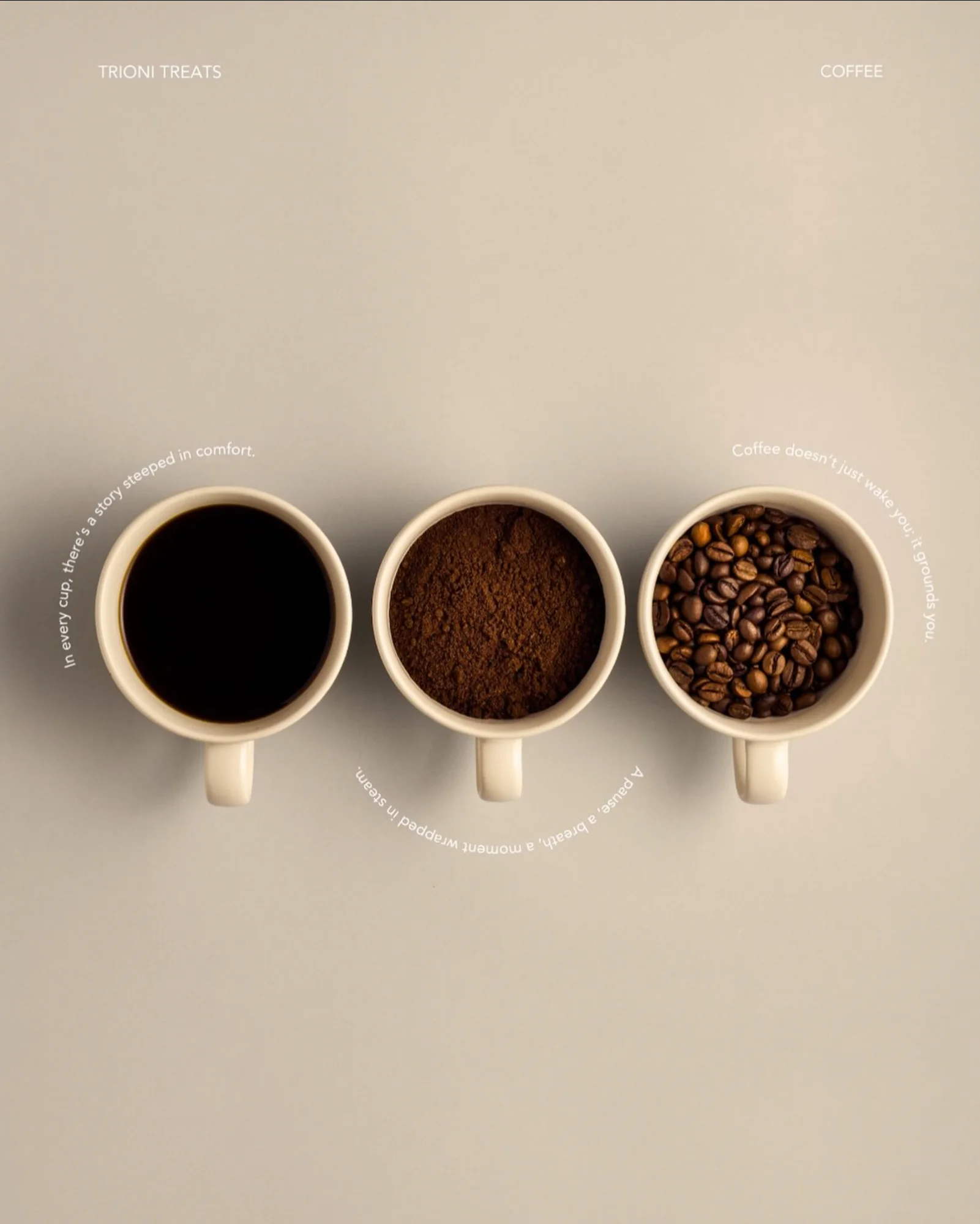
Imagine you have two coffees, A and B. Someone prepares three cups in this order:
In this example, the correct answer is the second cup. During practice, the coffees’ identities stay hidden until you have made your choice. The order can be shuffled for the next round.
You compare the aromas and tastes to make your decision, as described in SCA Canada’s introduction to Cup Tasters.
What Can You Look for While Tasting?
If you are unsure where to begin, try asking yourself a few simple questions:
- Aroma: does one cup smell different?
- Acidity: does one taste more acidic or gentler?
- Sweetness and bitterness: do they seem equally intense in each cup?
- Texture: does one coffee feel lighter or heavier in your mouth?
- Aftertaste: does one leave a different taste, or one that lasts longer?
For your first exercise, choose one thing to focus on, such as acidity. After making your choice, write down your reason in your own words. A note like “this cup feels lighter” is enough to start a conversation with your practice partner.
How Is Cup Tasting Different from Cupping?
Both involve tasting coffee. The distinction comes down to the purpose of the session.
In cup tasting with a triangle test, the main question is: “Which cup is different?”
In cupping, you evaluate a coffee’s characteristics in a structured way. For example, you might describe its aroma, flavor, and texture, then assess your impression of its quality according to the session’s purpose. The SCA explains this approach in its Coffee Value Assessment exercises, separating descriptions of the tasting experience from judgments about quality.
When joining a session, first check what you are being asked to do: identify differences between cups or evaluate the characteristics of each coffee.
What Happens in a Cup Tasting Competition?
Under the 2026 World Cup Tasters Championship rules, competitors face eight triangle tests with a maximum of eight minutes. The number of correct answers determines the result; when scores are tied, completion time breaks the tie.
- Tests
- 8 sets
- Time
- 8 min max
- Score
- Correct answers
- Tiebreak
- Fastest time
For your first practice at home, we suggest starting with one set and no timer. Try recording your answer and your reasoning before adding time pressure.
How Can You Start Practicing?
Prepare two coffees, three similar cups, and a partner who can arrange the set without revealing the answer. Use the same brewing method and ratio for both coffees, then serve comparable volumes at similar temperatures. Record the answer key before tasting begins.
Once you have chosen, reveal the answer and discuss what you noticed. For the next round, move the different cup to another position. You can also switch which coffee appears twice so you are not repeating the same arrangement.
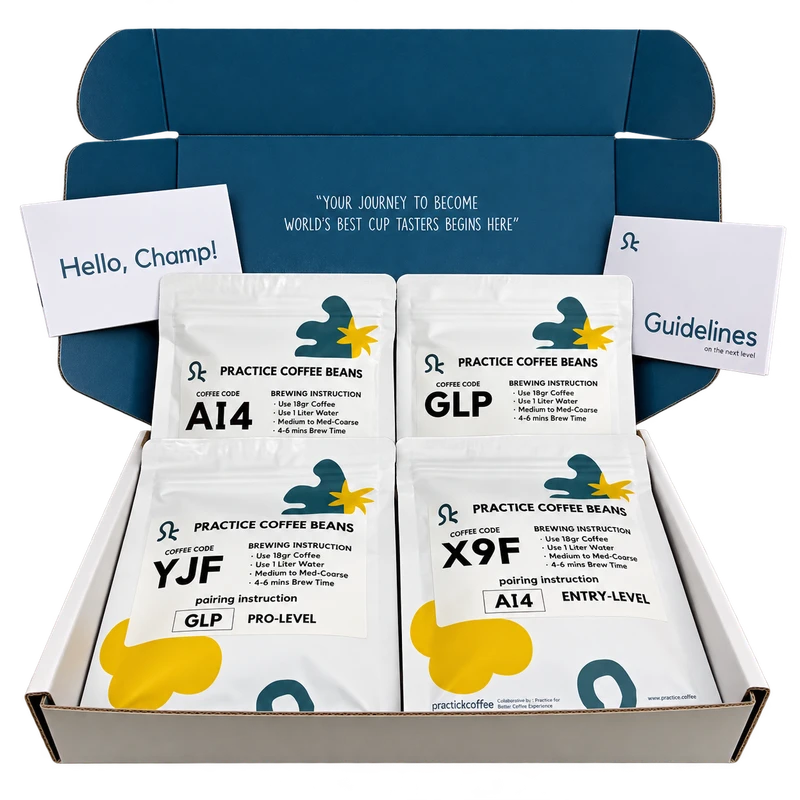
For a more detailed setup, continue to our guide to practicing cup tasting at home with Vito Adi Tjandrasurja. It covers brewing, labeling, and preparing several pairings using the Cup Taster Training Pack.